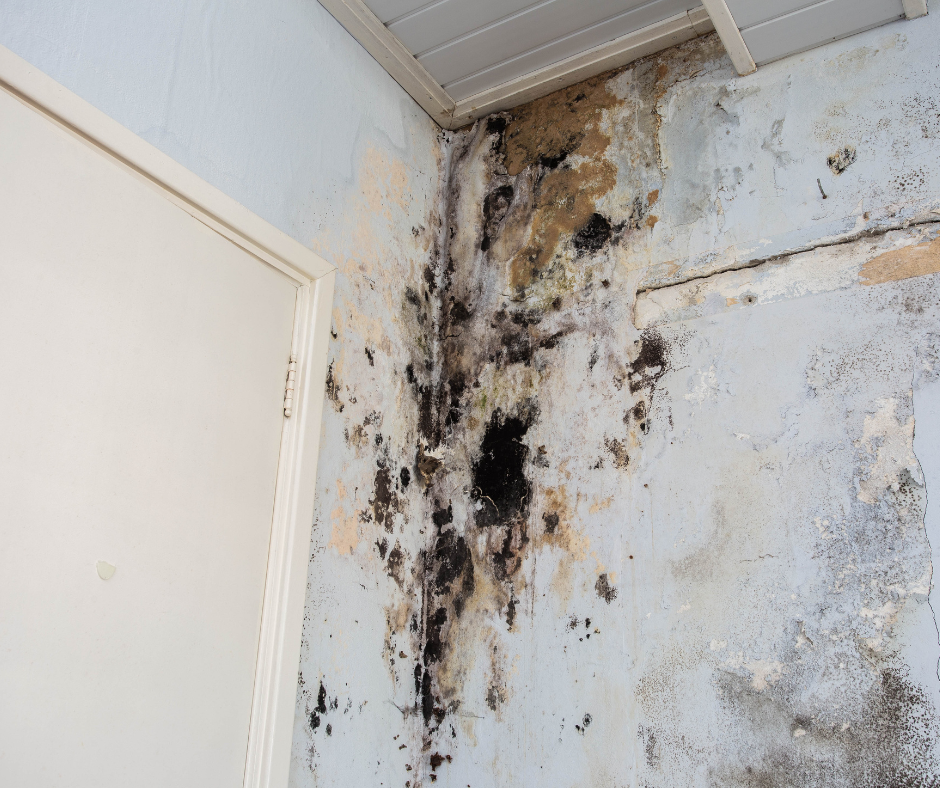
Heavy rainfall can keep our lawns and gardens well hydrated, but for many homeowners, it also brings an unwelcome guest: moisture intrusion. When water seeps into basements, crawl spaces, or behind walls, it creates the perfect environment for mold growth—a silent but serious threat to both your home and your health.
After a storm, water can enter your home through:
- Roof leaks
- Cracks in the foundation
- Poor drainage systems
- Improperly sealed windows and doors
Once inside, moisture can linger in hidden areas, and within 24 to 48 hours, mold spores can begin to grow.
Mold isn't just unsightly—it can be dangerous. Exposure to mold can cause:
- Respiratory issues
- Allergic reactions
- Asthma flare-ups
- Skin and eye irritation
Children, the elderly, and those with compromised immune systems are especially vulnerable.
Here are some proactive steps to take immediately after heavy rainfall:
1. Inspect and Dry- Check your basement, attic, and crawl spaces for signs of water.
- Use fans, dehumidifiers, and open windows to dry out damp areas quickly.
- Discard soaked carpets, insulation, and drywall that can't be thoroughly dried.
- Clean hard surfaces with a mixture of water and detergent.
- Repair roof leaks, seal foundation cracks, and ensure gutters and downspouts are directing water away from your home.
- Keep indoor humidity below 60% using a hygrometer.
- Consider installing a sump pump or waterproofing your basement if flooding is frequent.
If mold covers more than 10 square feet, or if it's in your HVAC system, it's best to call a certified mold remediation specialist. They have the tools and expertise to safely remove mold and prevent it from returning.
Mold and moisture issues after heavy rainfall are more than just a nuisance—they're a health hazard and a threat to your home's structure. By acting quickly and taking preventive measures, you can protect your family and your investment.
Click here to view the mold & moisture guide developed by the Minnesota Department of Health.