
Martin County Center: (507) 238-4757
Faribault County Center: (507) 526-3265
Home | Contact | Calendar | Blog | Pay My Bill
Martin County Center: (507) 238-4757
Faribault County Center: (507) 526-3265
Home | Contact | Calendar | Blog | Pay My Bill

Martin County Center: (507) 238-4757
Faribault County Center: (507) 526-3265
Home | Contact | Calendar | Blog | Pay My Bill
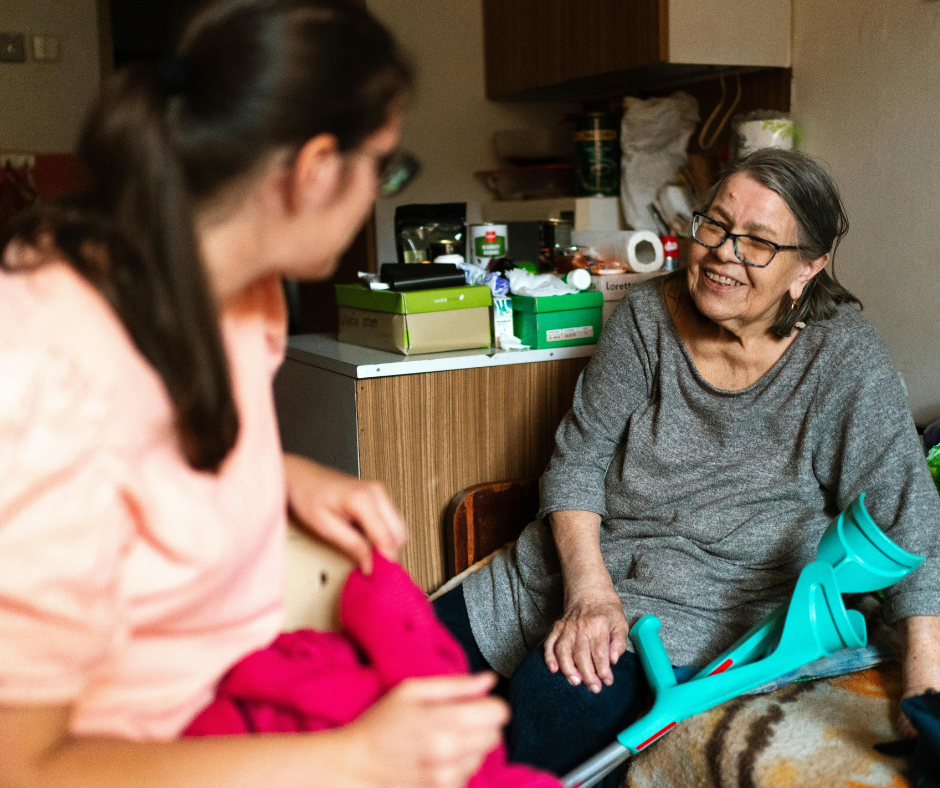
When most people picture nursing, they think of hospitals, scrubs, and bedside care. But Public Health Nursing is different. While both Public Health Nursing and clinical nursing rely on compassion, strong assessment skills, and a deep commitment to patient wellbeing, the focus, goals, and day‑to‑day realities of the two professions are very different.
At Health & Human Services of Faribault & Martin Counties (HSFMC), a Public Health nurse (PHN) might spend the morning completing documentation, only to receive a call from a client in crisis. Without hesitation, they shift gears, showing up, offering support, and connecting individuals with the resources they need. This flexibility isn't a disruption to their work; it is the work.
At HSFMC, nurses serve in a wide variety of programs, working to provide services across a person's lifespan, including:
Their work meets people exactly where they are: in homes, care facilities, offices, and sometimes even in a local park. As one nurse shared, "Our main goal is to support the individuals we work with and help them live their best life by providing the services they need to succeed."
While clinical nursing often focuses on immediate outcomes such as stabilizing a patient, improving vital signs, or managing symptoms, Public Health Nursing looks at trends over months, years, and generations. Success might mean reduced rates of chronic disease, improved maternal and child health outcomes, or older adults remaining safely in their homes for longer. PHNs understand that health is shaped by more than medical care. They help individuals and families navigate resources such as housing, transportation, financial assistance, or behavioral health support. They build trust with communities and act as a bridge between the healthcare system and the public. This relational work is one of the most powerful, and often most invisible, parts of the profession.
Similar to nurses in clinical settings, PHNs rely on their strong assessment skills. Often, one of the first encounters PHNs have with their clients is during an assessment. This process allows the nurse to understand the whole picture of someone's life: their strengths, challenges, goals, and needs. Assessments are more than forms to complete; they are the first step in establishing trust. And trust and advocacy are at the center of everything Public Health Nurses do.
PHNs build strong, respectful relationships with the individuals and families they serve. Safety guides every interaction, whether they are entering a home, assessing an environment, or supporting someone in crisis. They rely on trauma-informed practices by listening without judgment. PHNs recognize how past experiences shape current needs, so they work to create calm, supportive services, ensuring people feel seen, heard, and valued. This approach ensures care is both effective and deeply compassionate.
PHNs collaborate regularly with clinics, pharmacies, schools, social workers, community organizations, and with families and caregivers. This work takes patience, persistence, and a deep understanding of each person's unique needs and barriers. When agencies and partners communicate effectively, they create a stronger, healthier, more connected community. Public Health Nurses are often the glue that holds this system together.
There is the work the public sees—home visits, resource navigation, crisis support—and then there is the work that often goes unseen: documentation, developing care plans, making follow‑up calls, monitoring referrals, and ensuring compliance with strict program requirements. Nurses are experts at balancing both worlds with accuracy and grace. This attention to detail also connects directly to program integrity as nurses play a critical role in protecting resources, ensuring accuracy, and safeguarding services for those who need them most.
As with any profession, nursing comes with emotional highs and challenges. We asked our HSFMC nurses where they find joy, what motivates them, and how they describe their team culture. Their words say it best:
"I love my clients – their stories, their perseverance, their wisdom. They are the embodiment of resilience, and I learn so much from them every day. I take pride in being a voice for the elderly."
– Public Health Nurse, serving the 65+ population
"Working with children, especially micro-preemies, and watching them overcome health issues has been very rewarding."
– Public Health Nurse, Waiver Programs
"Team culture is highly collaborative, supportive, and grounded in respect and integrity... Using a care team approach, we ensure families receive person-centered support that improves their lives."
– Public Health Nurse Supervisor, Healthy Families Home Visiting Program
"The opportunity to give back to the community in a meaningful way… Being part of an agency that values work-life balance makes it even more fulfilling."
– Public Health Nurse, Maternal Child Health
"Seeing parents connect with their children is so awesome… nothing beats watching the connection."
– Public Health Nurse, Healthy Families Home Visiting Program
"I was inspired by the nurses' response to COVID… It was a hard season, but it inspired me to get my nursing license and become a care coordinator."
– RN, serving the 65+ population
Public Health Nursing looks different from traditional nursing because the goals are different. Clinical nursing focuses on treating illness; Public Health Nursing focuses on preventing it, understanding it, and building systems that support long-term health for entire communities. PHNs don't just respond to problems; they help prevent them. They don't only treat symptoms; they work to address root causes. They don't wait for people to come to them—they go out into the community. They bring heart, skill, compassion, and dedication into every corner of their work. And our communities are stronger because of it.
Happy National Nurses Month to all the dedicated nurses at HSFMC!
By accepting you will be accessing a service provided by a third-party external to http://fmchs.com/
